One of the most interesting aspects of Extended DISC® is what can be revealed when we compare a person’s natural behavioural style with the way they are currently adapting to their environment.
We recently worked with a senior manager who was highly experienced and successful in their role. They were known as someone who could work with just about anyone and adapt easily to different situations.
On the surface, this seemed like a significant strength.
However, when we looked at their Extended DISC® profile, we noticed something unusual.
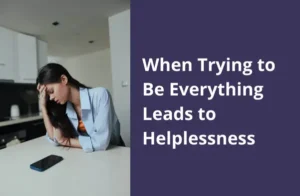
Trying to be everything
Their Profile I was significantly elevated across the behavioural dimensions.
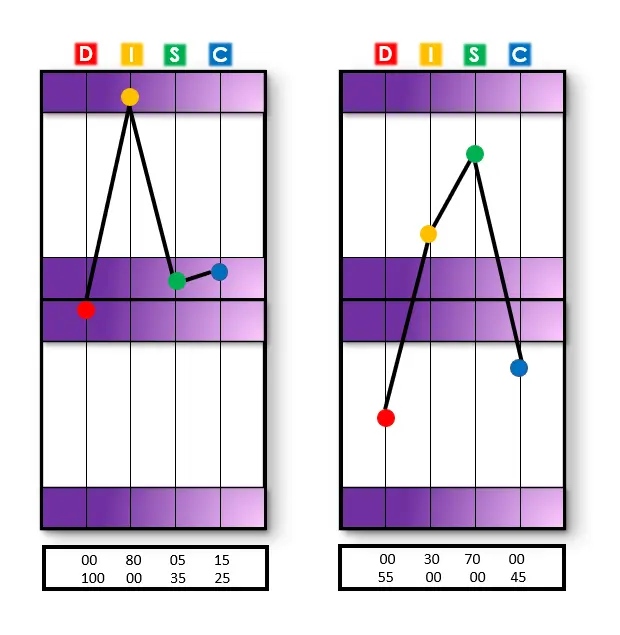
Rather than showing a clear preference towards one or two behavioural styles, the profile suggested that they were making a considerable effort to adapt across the full behavioural range.
During the debrief, we asked how they felt about their current role.
Their response was telling.
They explained that they felt they needed to be different things to different people.
With senior leaders, they felt they needed to be more decisive and forceful.
With their team, they believed they needed to be supportive, patient and accommodating.
In meetings, they felt pressure to be more outgoing and persuasive.
When making important decisions, they believed they needed to slow down, analyse everything and make sure they had considered every possible risk.
They were capable of doing all of these things.
The problem was that they were trying to do all of them, all of the time.
When adaptation becomes exhausting
The manager described feeling increasingly frustrated and overwhelmed.
They knew they were capable of doing their job, but they had started questioning whether they were doing it “right”.
No matter how they behaved, they could think of another way they should have approached the situation.
The elevated Profile I provided an important perspective.
It wasn’t suggesting that the manager lacked the ability to operate in different ways. In fact, their experience demonstrated exactly the opposite.
Rather, it highlighted the extent to which they were trying to adapt their behaviour to meet competing expectations.
They were attempting to be everything the situation, the organisation and the people around them appeared to require.
From helplessness to awareness
Once we discussed the profile, the manager recognised the pattern immediately.
They had become so focused on adapting to others that they had stopped recognising what came naturally to them.
This was the turning point.
Instead of asking, “How should I behave in this situation?” they could start asking, “What does this situation actually require from me, and what is mine to carry?”
They began to distinguish between being capable of adapting and feeling that they constantly have to adapt.
The goal was not to stop adapting.
Adaptability is an important leadership capability.
The goal was to become more intentional about when adaptation was genuinely necessary, rather than feeling compelled to continually change their behaviour to satisfy every expectation.
The value of seeing what is behind the profile
This case was a good reminder that an elevated Profile I should not automatically be interpreted as a lack of capability or confidence.
Sometimes, it can tell us something quite different.
A person may have developed the ability to operate across many behavioural styles, but the profile can reveal the pressure they are experiencing to keep doing so.
For this manager, the insight wasn’t about learning to be more capable.
It was about recognising that they didn’t have to be everything to everyone.